


Cedric Pinto framed circularity as risk management, since material extraction is outrunning population growth, and walked a 4R hierarchy through real projects: a Dutch hospital that reused 65% of its 27-year-old fibre-cement façade, a Hanover house with a 90% reused envelope, a camouflage-patterned hangar delivered at 1.6% wastage, and a recycling loop that puts carbon dioxide back into the cement.
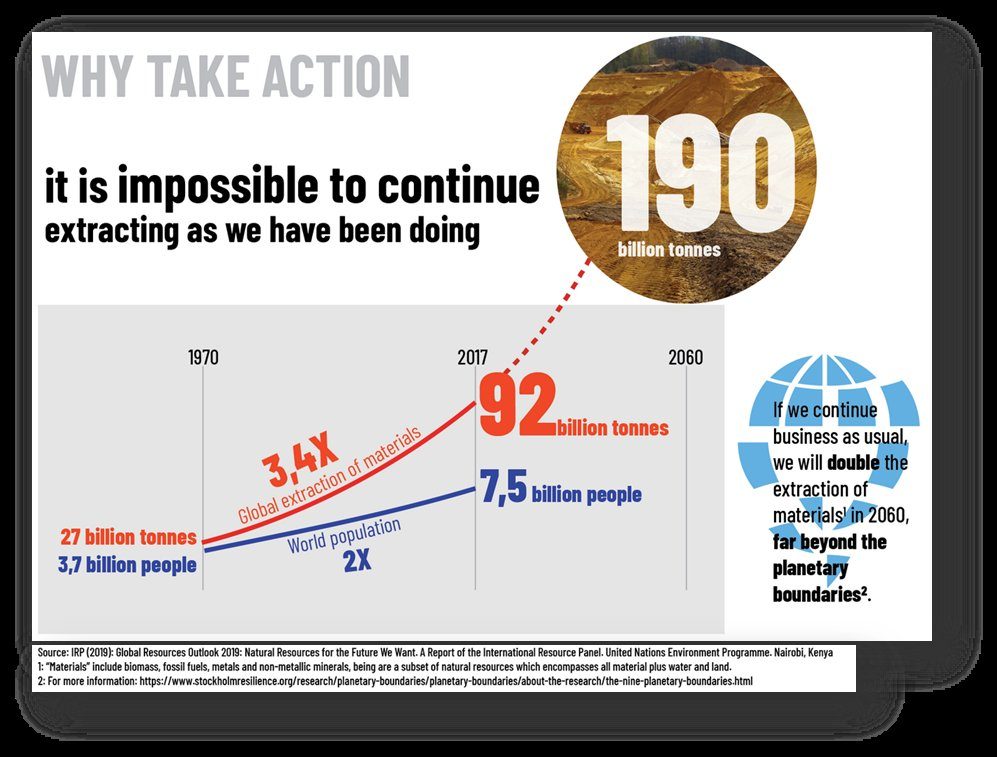
Material extraction has grown far faster than population over the past five decades and is projected to accelerate further for construction, which makes it a material risk rather than a theoretical sustainability question. Façades are material-intensive, and the decisions taken early in design govern resource demand, replacement cycles and what happens at the end of a building’s life. Circularity, on that reading, is a response to long-term material availability and risk.
Pinto structured it as a hierarchy of four Rs, refuse, reduce, reuse and recycle, with the highest value at the front end, in doing less: minimising material through efficient system design, then designing for a longer service life so nothing needs premature replacement, then enabling recovery so components can be separated rather than treated as composite waste. The enabler across all of it is design for dismantling, because fixing strategies and interfaces are what decide whether a panel stays an asset or becomes waste.
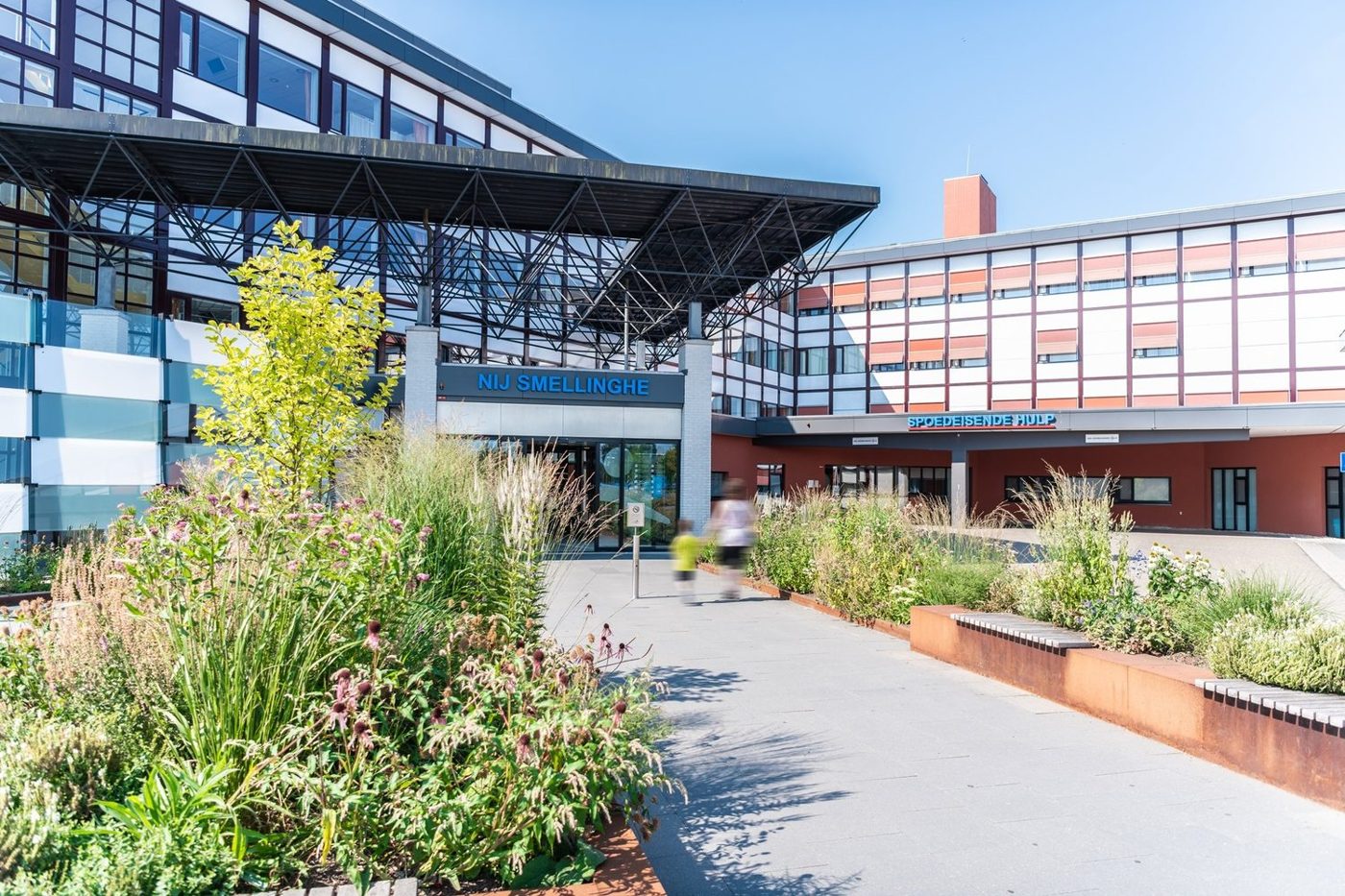
Refuse is the highest-value intervention, since it avoids new material altogether: retaining an existing system where its performance still holds, and refusing assemblies that cannot be taken apart. His case was the Nij Smellinghe hospital in the Netherlands, built in 1996 with fibre-cement façades and committed to net zero carbon by 2030. At a 2023 renovation the board chose to keep the original panels after 27 years in service, adding new ones only where necessary. Of about 23,000 square metres of Glasal panels, a legacy Etex brand, 15,000 were refurbished and reused, and they salvaged cleanly because they had been installed in a framed curtain wall with no drill holes through them. Reusing 65 per cent of the façade avoided roughly 250 tonnes of carbon dioxide across A1 to A3, and saved the transport with it. What was luck in 1996, a frame system that happened to permit recovery, was made deliberate in the reclad: reversible fixings and demountable systems, so the next life is designed in rather than hoped for.
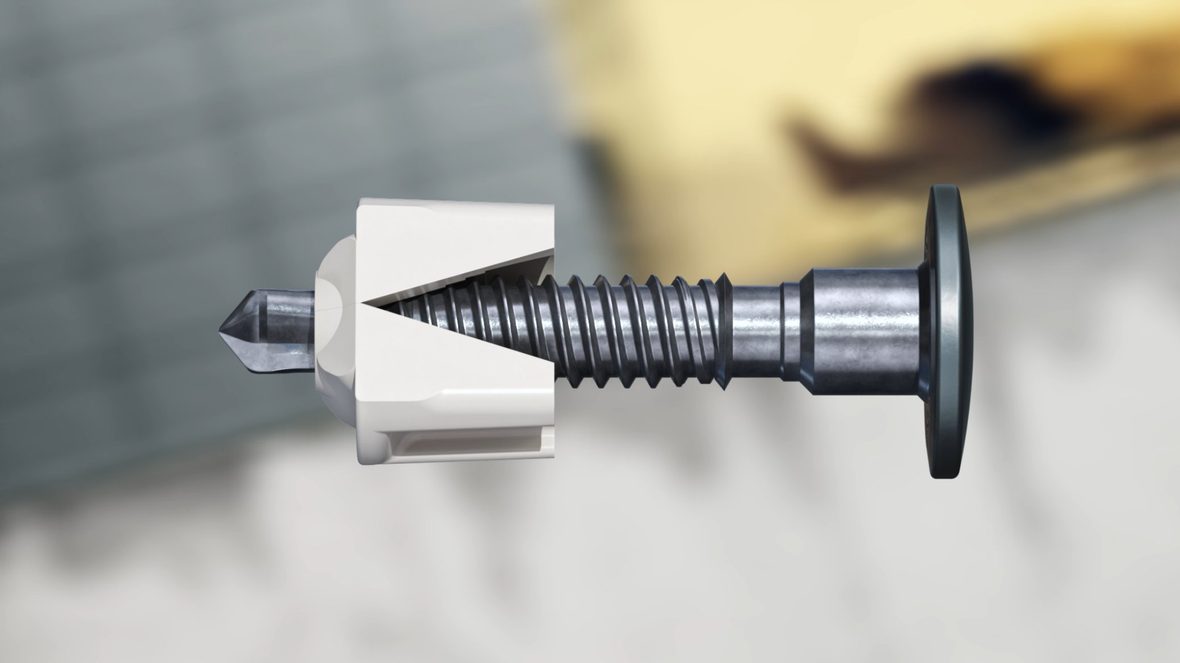
That is what the reversible fixing accessory Equitone launched recently is for. It lets a panel be dismantled when its time comes, and it is engineered to absorb the stresses of differential movement across a façade, which is what cracks panels in the first place.
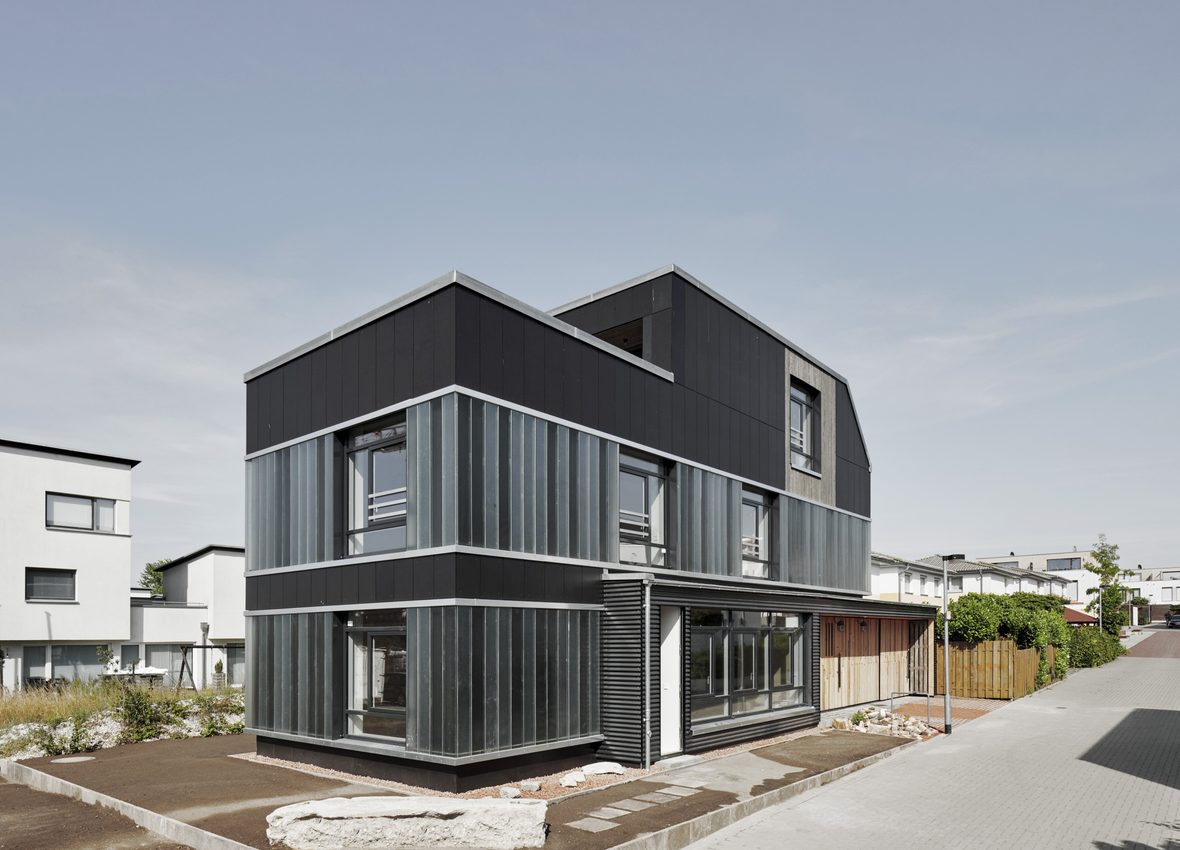
Reuse, he argued, is a functional necessity rather than a spiritual idea: material fulfilling multiple life cycles in its original role, which means anticipating change and preserving value through controlled, reversible disassembly. The Recycling House in Hanover is the prototype, built from salvaged material in every element and a winner of the special prize for sustainability at the 2020 German façade awards for its ventilated curtain wall. The team salvaged fibre-cement panels from local sites, minimising transport, and modernised them in a deep black to suit a contemporary reading. Ninety per cent of the envelope is reused, on a timber substructure with visible fixings, so it is fully demountable and can be recovered again. The jury praised its clear zoning, simple geometry and mosaic of recycled materials.
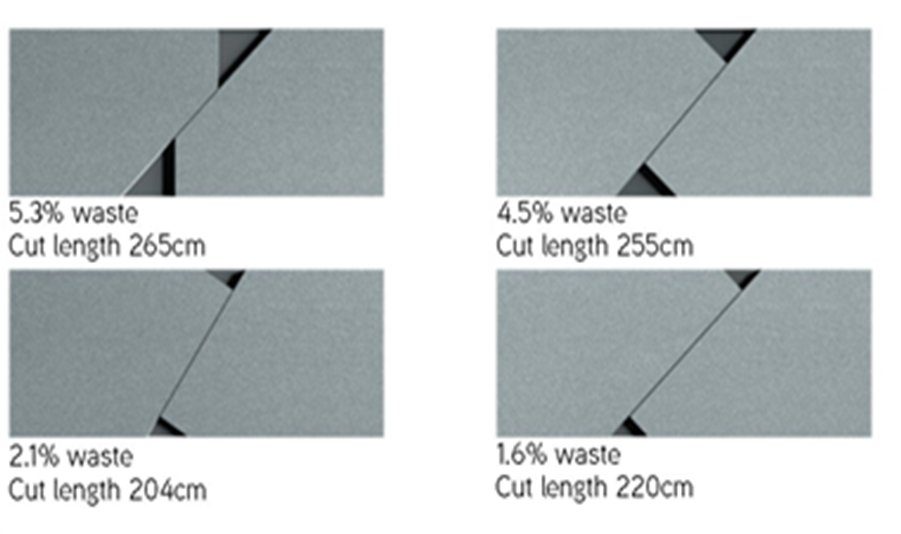
Reduce is about hitting the same performance with less material, mostly through planning: panel formats, layout strategies and cutting patterns coordinated early against real material dimensions. The case was a German air force hangar upgrade, identified as a strategic site in a national consolidation of air bases, its envelope drawn from military camouflage and its pattern carried seamlessly around the corners to emphasise the volume. Industry wastage on a façade typically runs 10 to 20 per cent, and a pattern like that could have run far higher. Working with Equitone’s optimisation team on panel orientation and cut lengths, the project finished at about 1.6 per cent, achieved purely through planning rather than by substituting materials.
Recycling is the last stage, the recovery of value at the genuine end of service. The programme he described, run with Heidelberg Materials, moves fibre cement from construction, demolition and factory offcuts back into production at industrial scale. A patented process removes the fibres to leave a recycled fibre-cement paste, which is then infused with carbon dioxide at the kiln, capturing and storing it; the carbonated paste makes a low-carbon cement, and that cement makes new fibre cement. It diverts 60,000 tonnes of fibre-cement waste from landfill a year, cuts the carbon footprint of the new product by 15 per cent, and puts 20 per cent recycled content into every panel, with the carbon infusion amounting to permanent capture and storage.
The conclusion was a triad. Net zero needs energy efficiency and renewables, and it needs a rigorous circular economy alongside them, which for fibre cement is made possible by the material’s own durability. But durability only becomes circularity if every stakeholder applies the thought: design for longevity, choose the material at inception, make the fixings reversible, and recycling becomes the last resort rather than the goal.