


seele has a division for the parts of a building that move. Ralph Damköhler ran through the door leaves at Apple Park, a façade that drops into the ground, half a millimetre of tolerance at the Sphere, and a dome in Oxford that turns to follow the sun.
Ralph Damköhler, who runs seele's operations in the Emirates and Saudi Arabia, came to talk about the part of the business that moves. Façades are no longer static, so the firm has set up a division for movable structures, and its mechanics reduce to two principles: pivoting, about a vertical or horizontal axis, and linear movement, in a direction or along a predefined path.
What makes it hard is that it asks two industries to agree. On one side automation, which means drive technology, intelligent control engineering, safety concepts, usability and interfaces, and acoustic performance. On the other classical façade construction, with its structural precision, its glass and surface quality and its performance requirements. The division follows a project through concept development with the client's team, design, in-house and third-party testing, fabrication, the installation of mechanical and control elements under regular quality control, and final commissioning.
Doors the size of a building
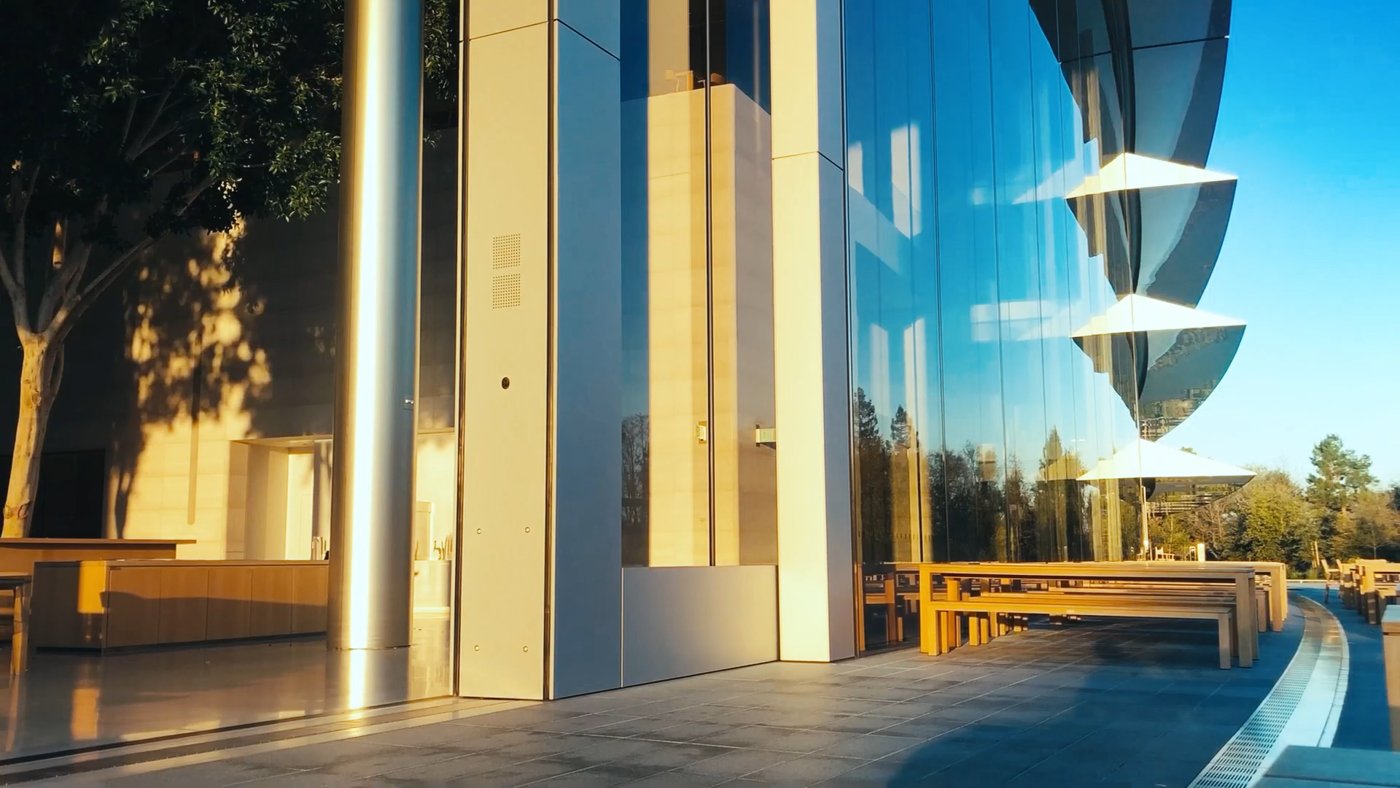
Their first movable structure predates the division: the restaurant doors at Apple Park, with Foster + Partners, where two door wings open the room to the landscape. Each leaf is 28 metres wide and 16 high and weighs 180 tons, and takes twelve minutes to open or close. The detail Damköhler seemed proudest of is not the size. The maintenance team say the doors are opened almost daily and still run as silently and smoothly as on day one, and in a power failure a cordless drill is enough to open or close them.
Up, and down
A private residence in London, finished in 2024, has a façade element that lifts: nearly 11 metres wide, 2.2 high, two minutes to open, and it disappears completely into the building. It moves on active pneumatic technology, controlled by air pressure, inflating when it is working and deflating once it is open.
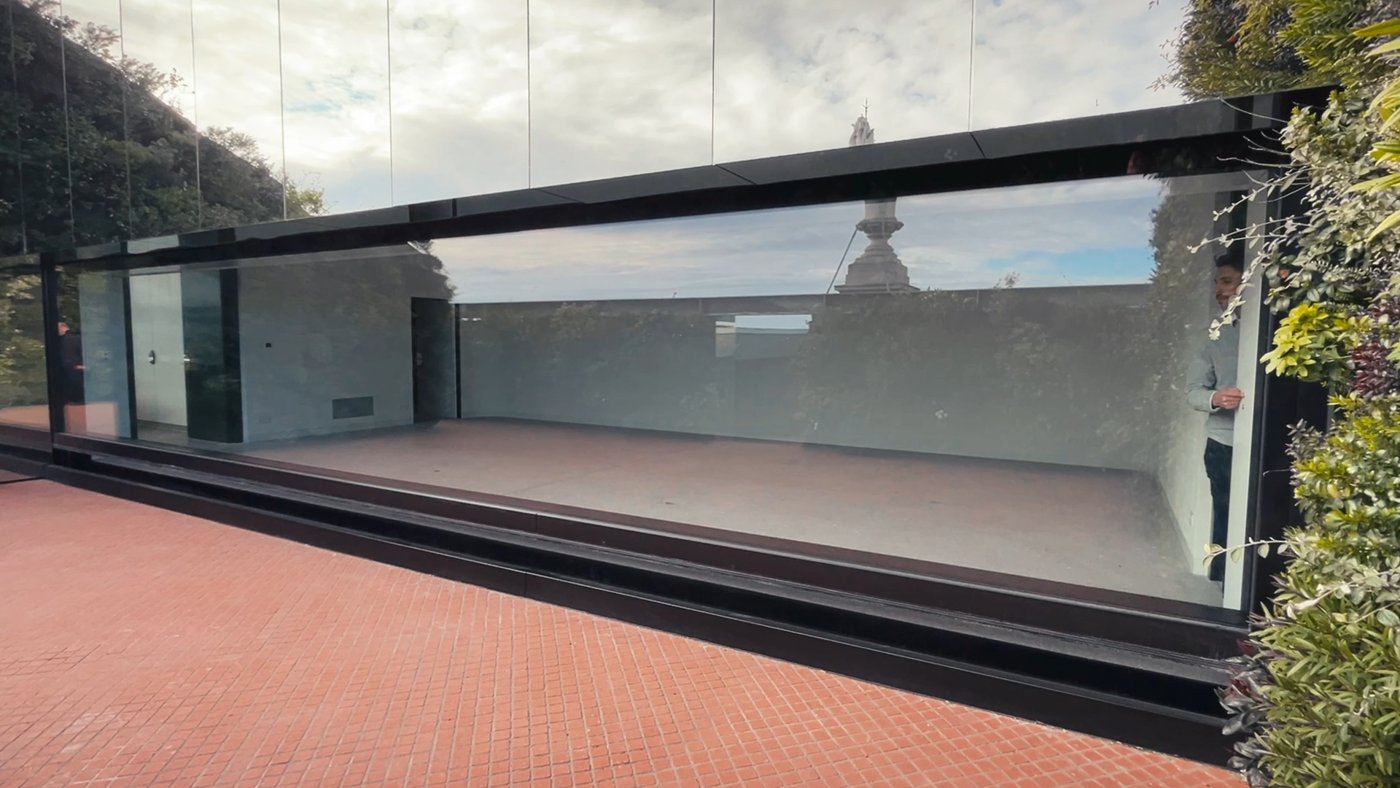
Another project does the opposite and drops the whole element into the ground, which Damköhler offered as the example of invisible technical integration. It was proved with a performance mock-up in seven different configurations, tested for air and weather tightness and for wind up to hurricane strength, then put through cycle tests to see how the system behaves over time rather than once.
Half a millimetre, in Las Vegas
At the Sphere, seele designed and installed the substructure carrying the internal LED screens. The modules are about 4.5 by 5 metres, and the governing number is the tolerance between them: half a millimetre, because anything more shows as a white or black stripe during a performance.
The proscenium screen is the interesting piece. Six trusses and 126 LED panels, built so the whole assembly can be taken out and put back, because heavy equipment has to reach the stage before a show, and then it has to return to that same half-millimetre tolerance. The rigging hatches, used for effects during performances and capable of dropping balloons into a scene, have the same requirement to work silently and smoothly.
The dome that follows the sun
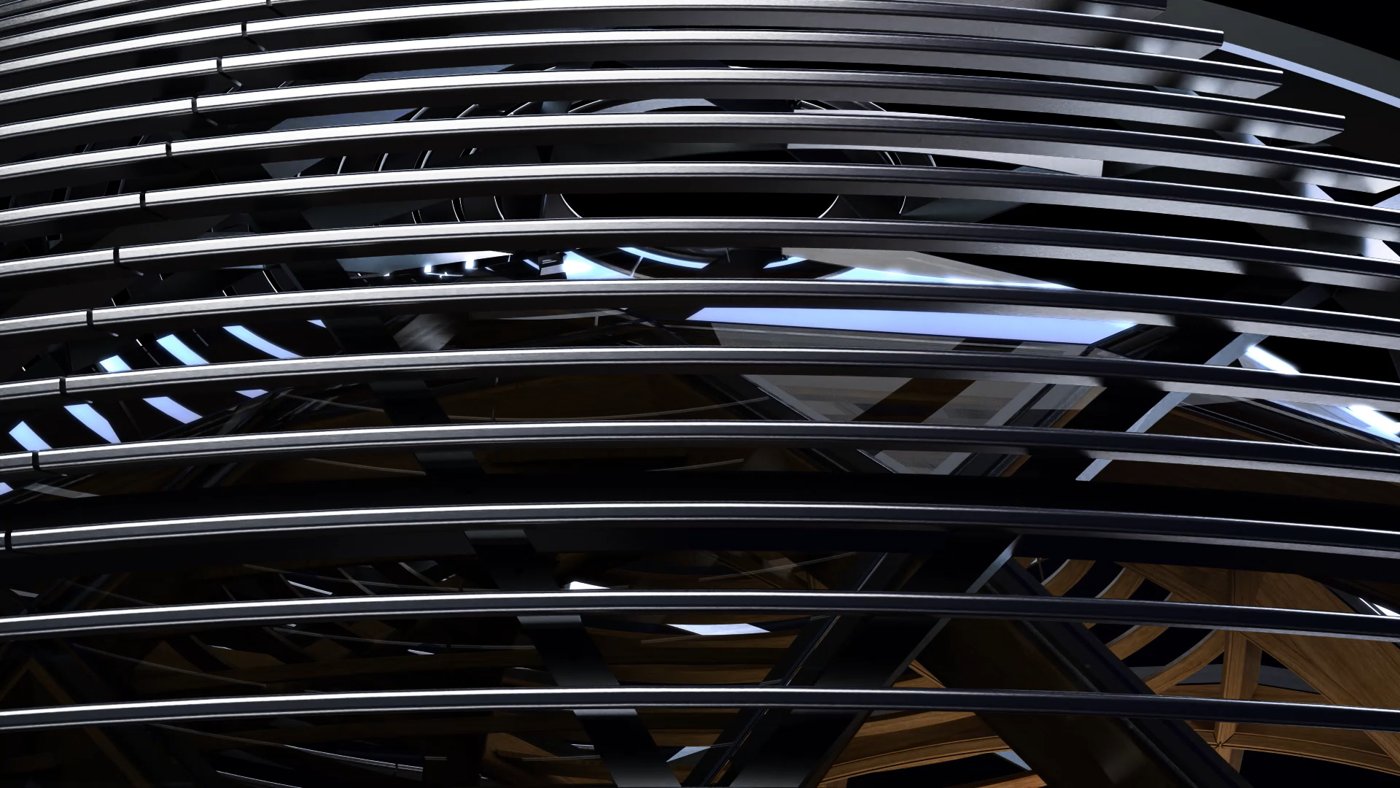
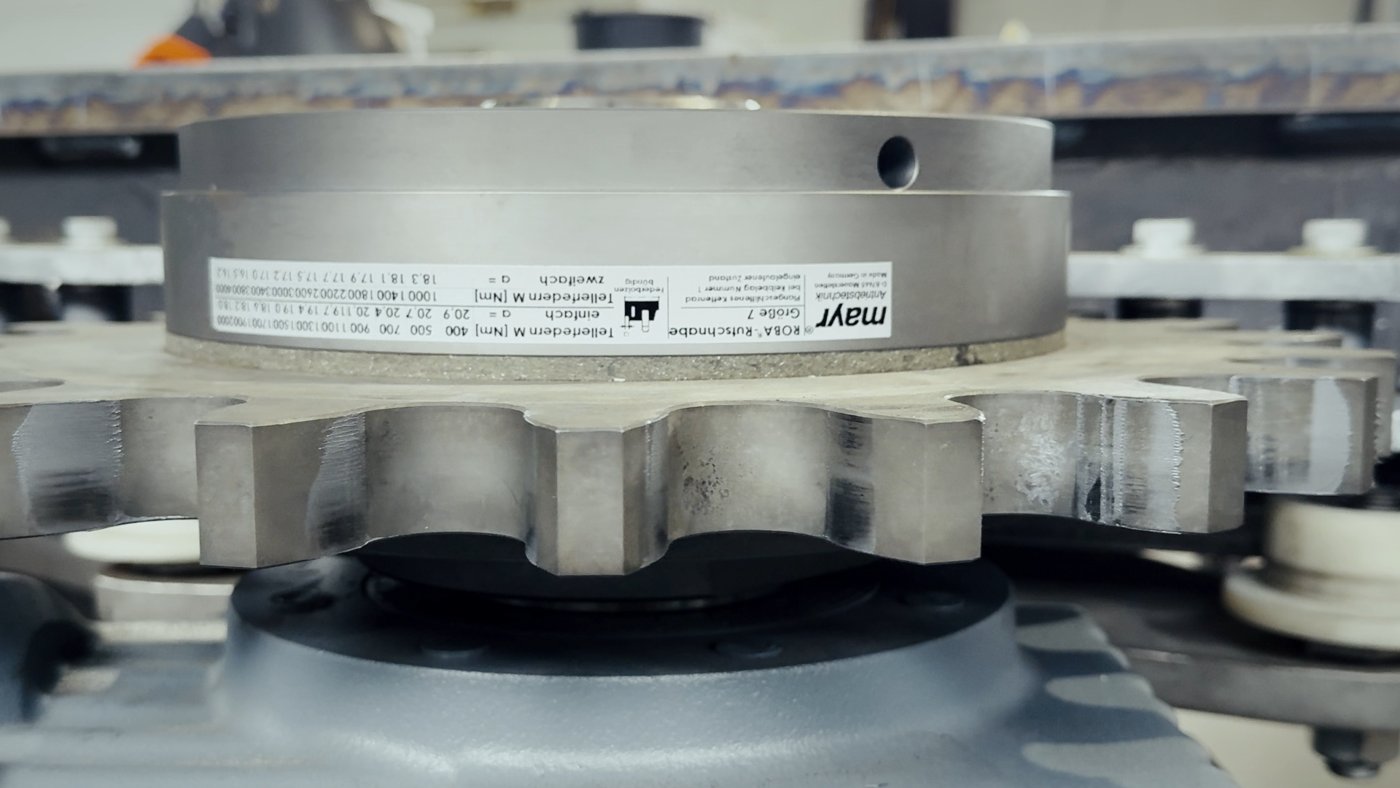
The newest work moves from a movable façade to a movable envelope. At the Ellison Institute of Technology in Oxford, again with Foster + Partners, seele designed, fabricated, tested and this year installs a double-skin grid-shell dome that rotates about its own axis. Shading comes from shedding lamellae as it turns. A full rotation takes ten minutes, sun tracking happens every thirty, and the point of all of it is a better atmosphere in the library underneath. Four synchronised drive mechanisms turn it, and all four are hidden.
Which is the argument, really. A complex drive has to run smoothly and reliably not once but for the life of the building, and every one of these projects is its own problem with almost no repetition in it.