


Peter Dushenski put a price on a supply chain. Specifying a fibreglass-framed, triple-glazed curtain wall for the Red Deer Justice Centre’s 22,000 square feet of glazing added an incremental half of one per cent to the budget, and returned delivery on time, fifteen local manufacturing jobs and over 4,000 tonnes of carbon saved in shipping. His argument: a specification now has to ask where a system comes from, not only what it does.
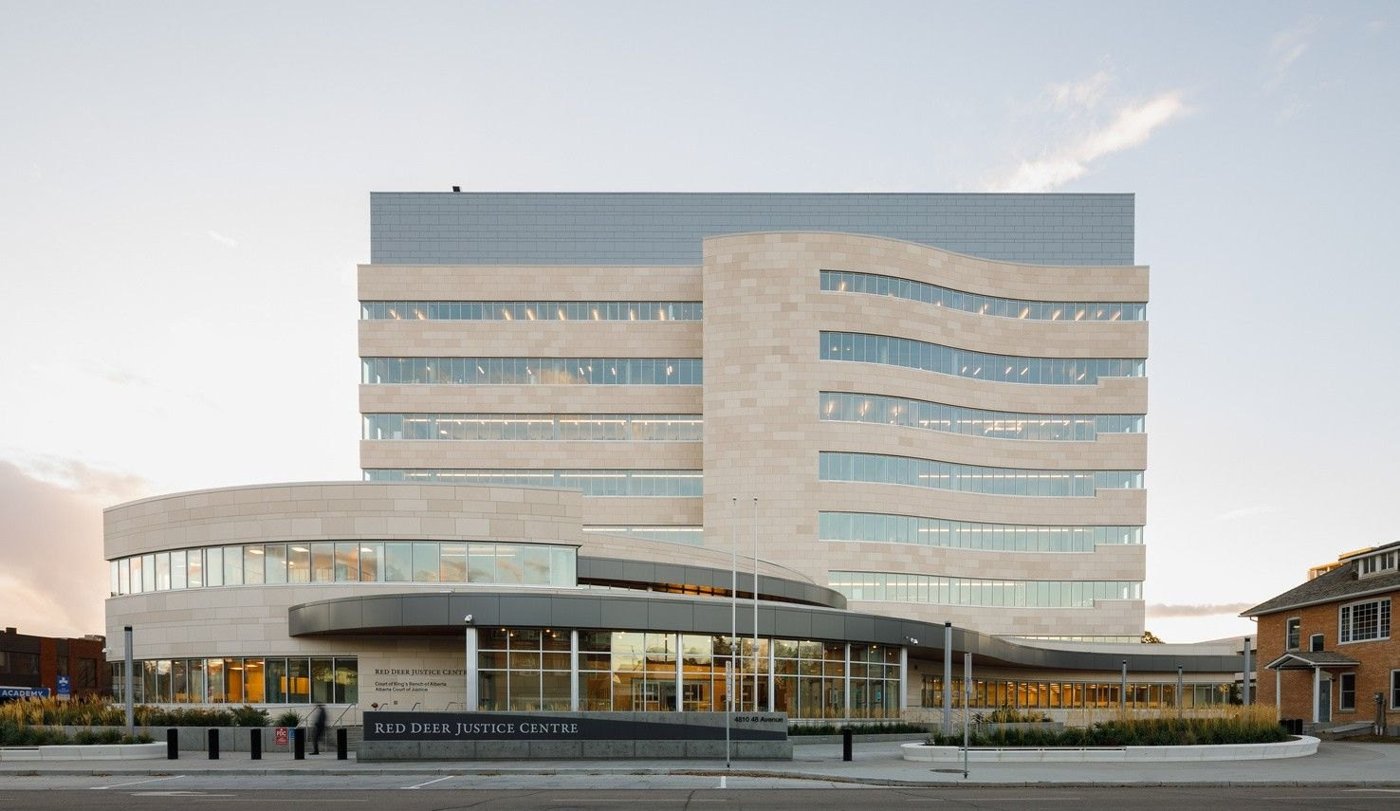
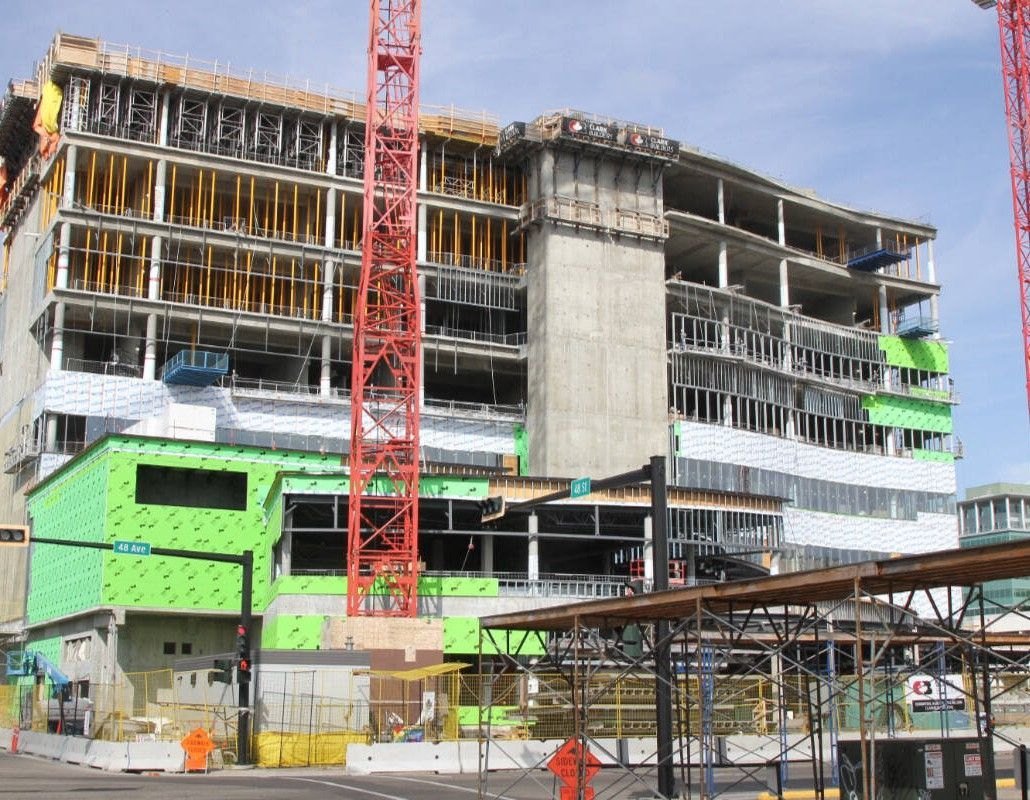
Dushenski runs a company that describes itself as Canada’s leading manufacturer of fibreglass-framed curtain wall, and has spent nearly fifteen years building envelope systems against this country’s energy targets and its cold-climate realities. His case study was the Red Deer Justice Centre, an eight-storey provincial courthouse and the tallest building in the city, a $250 million project by DLR Group with Group2 Architecture locally and Alberta Infrastructure as client. That figure sounds large until you remember it tendered in 2020 and would be closer to double today.

It arrived as a major investment in the province’s civic landscape at a moment when Alberta’s oil and gas industry was in the doldrums. Performance expectations were rising, not only on energy and carbon but on durability, reliability and long-term public value, so base code compliance was never going to be enough: the team targeted the Canada Green Building Council’s zero-carbon standard to cut life-cycle costs, improve the interior environment and demonstrate some stewardship of public money. That put the envelope at the centre of the project. It had to be best in class on the day it opened and stay there for decades.
Being a public project also allowed a more considered specification, one that could look at whole-life envelope solutions and think properly about procurement. That procurement happened before tariffs and the latest energy price shocks, but it still had to survive pandemic-era supply chain dislocation, and Dushenski’s point was that the team’s foresight bought reliable delivery, fewer unpleasant surprises and something close to insurance against risk.
His argument about specification followed from that. A curtain wall specification used to interrogate a few narrow metrics: U value, solar heat gain coefficient, condensation resistance, and with luck embodied carbon. Those still separate the wheat from the chaff, but they assume a boringly predictable world, and attention now has to extend to where a system comes from, how it is made and who it supports. Recent years have shown how fragile and capricious global logistics can be, and that fragility arrives as uncertainty and then as cost. Nobody building a hospital, a school or a courthouse can afford more delay or more items eating into the contingency.
Then the number that made the case. Specifying a fibreglass-framed, triple-glazed curtain wall for the building’s 22,000 square feet of glazing cost an incremental half of one per cent of the project budget. In return the glazing arrived on time and on budget, an additional fifteen local manufacturing jobs were supported through construction, and reduced shipping saved more than 4,000 tonnes of life-cycle carbon. Domestic manufacturing, on his account, buys shorter lead times, faster troubleshooting when something goes sideways, and a good deal less exposure to geopolitics, which he treats as an increasingly non-negotiable part of responsible delivery rather than a patriotic preference.
What he wanted taken away is that this is not aspirational. High-performance façades developed and manufactured in Alberta are already being delivered, and the way envelopes get bought is shifting with it: not a line item to be value managed, and he declined to call that value engineering on the grounds that no engineering is involved, but a lever for performance, predictability and local economic development. The public sector is leading it. As public design teams specify Canadian systems with more confidence, builders accumulate experience and manufacturers invest to meet the demand, policymakers finally get the real-world evidence that future standards can be written from.