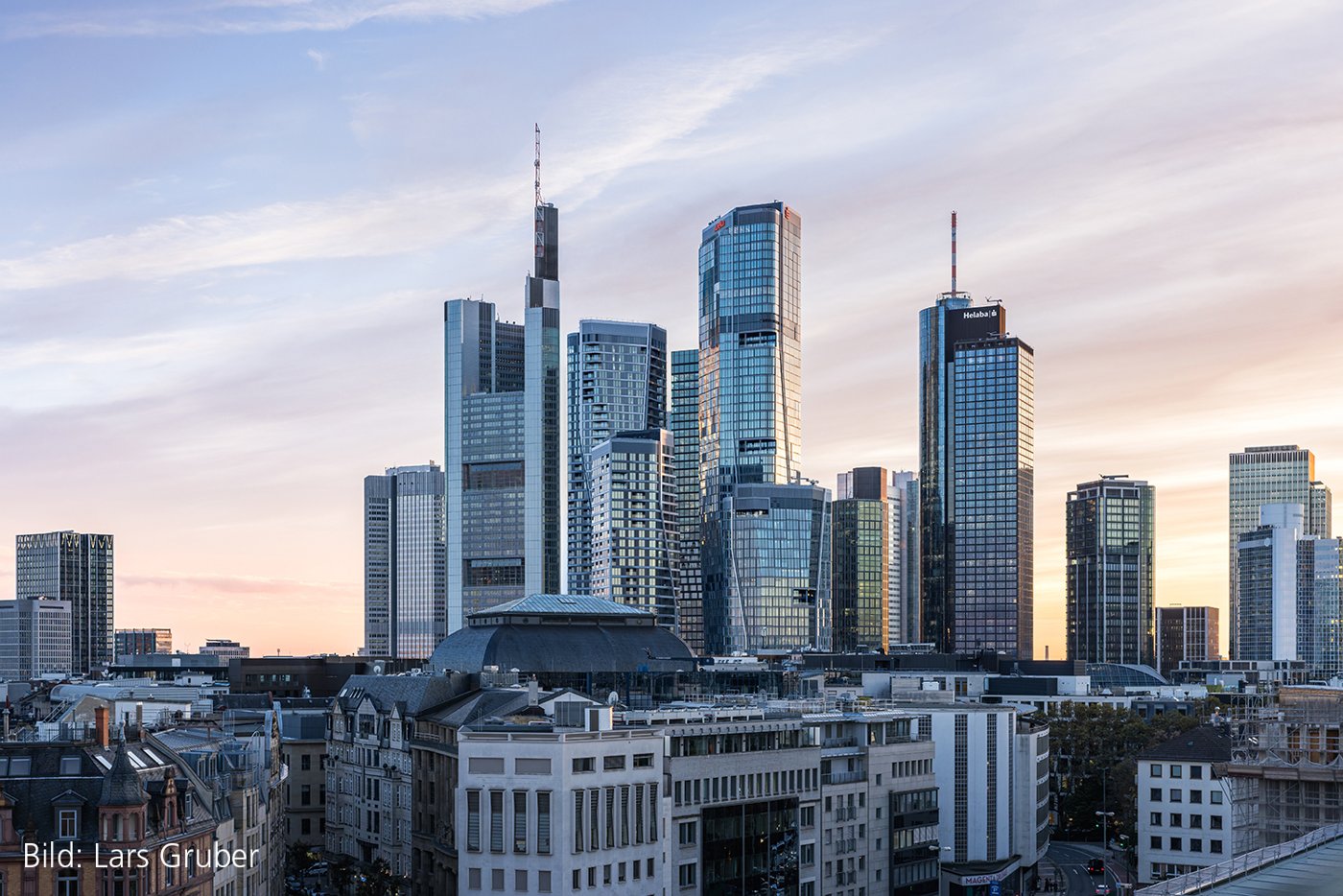
A modern LED and a high-performance coated glass share one property: they pass only the visible spectrum. Benjamin Beer and four panellists on what that removes, from the waking blue at 460 nanometres to the infrared nobody sees any more.
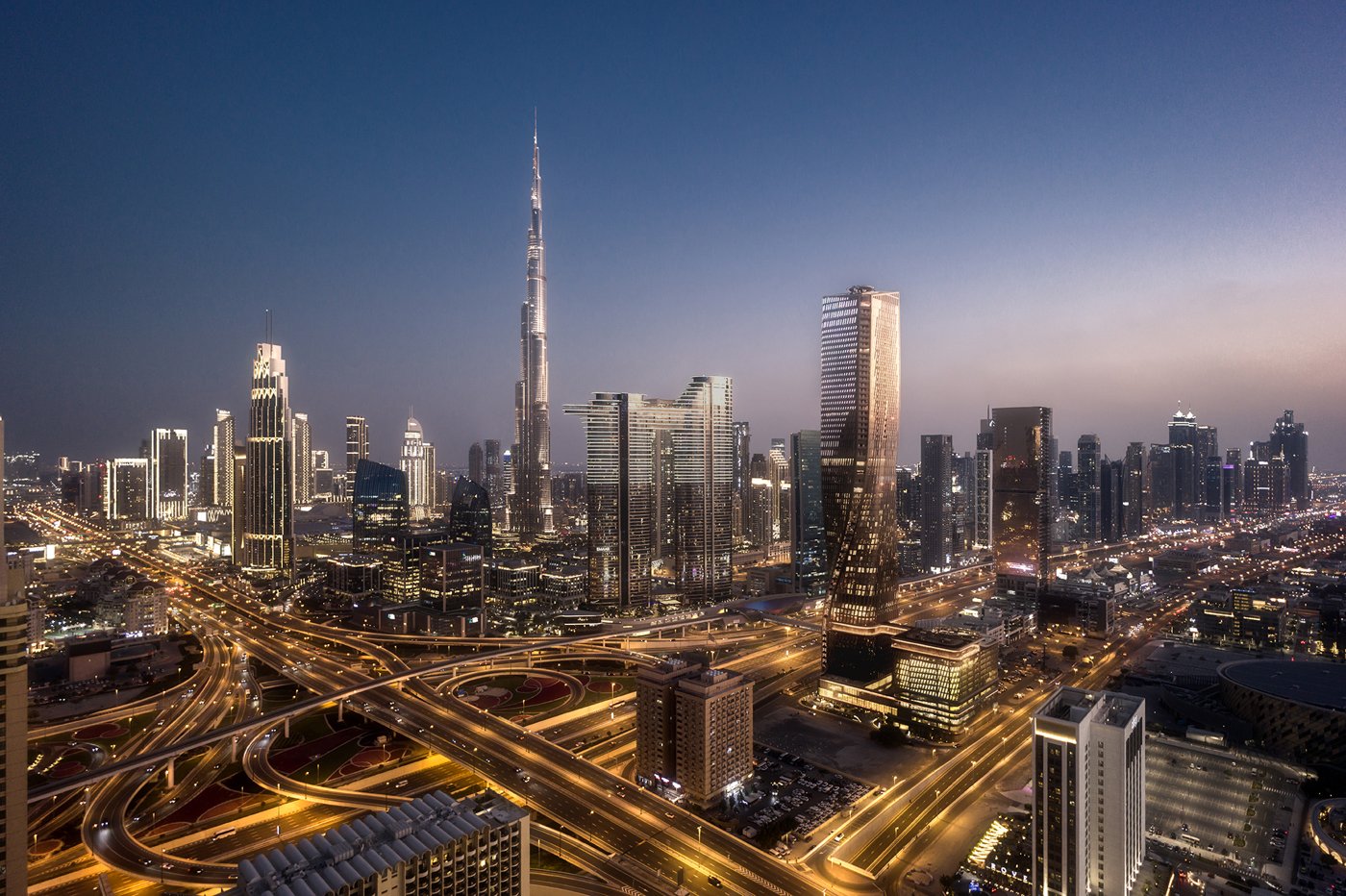
Benjamin Beer opened by saying what kind of presentation this would not be. Not performance sheets: human beings, how we feel, how we behave, what we need, and what might be making us sick. His first point was that glass is the one material in construction with no substitute. Steel can be replaced and so can concrete; glass gives vision out, daylight in and protection from rain, wind and noise, and every building requires it.
An indoor species
He put two maps of the United States side by side: the share of people reporting depression or anxiety, and average daily sunlight. The states with the most daylight have the lowest rates. So we need light, and beyond that we need a certain quality of light.
Then the arithmetic of a modern life. We spend around 87 per cent of our time indoors and get roughly 7 per cent exposure to natural daylight, having evolved over millions of years under the full sun. Around 26 per cent of the day is spent asleep, 44 per cent receiving daylight filtered through glazing and 18 per cent under bulbs. None of it is new knowledge, only newly forgotten: babies were once put out in the light because they sickened without it, and submariners were given whole-body sunlight lamps for the same reason.
What the coating actually takes out
Here is the part the industry has not reckoned with. A modern LED bulb and a highly efficient solar-control coated glass share one property: they emit or transmit only the visible spectrum. That is precisely where the energy efficiency comes from, and where the green-building case comes from.
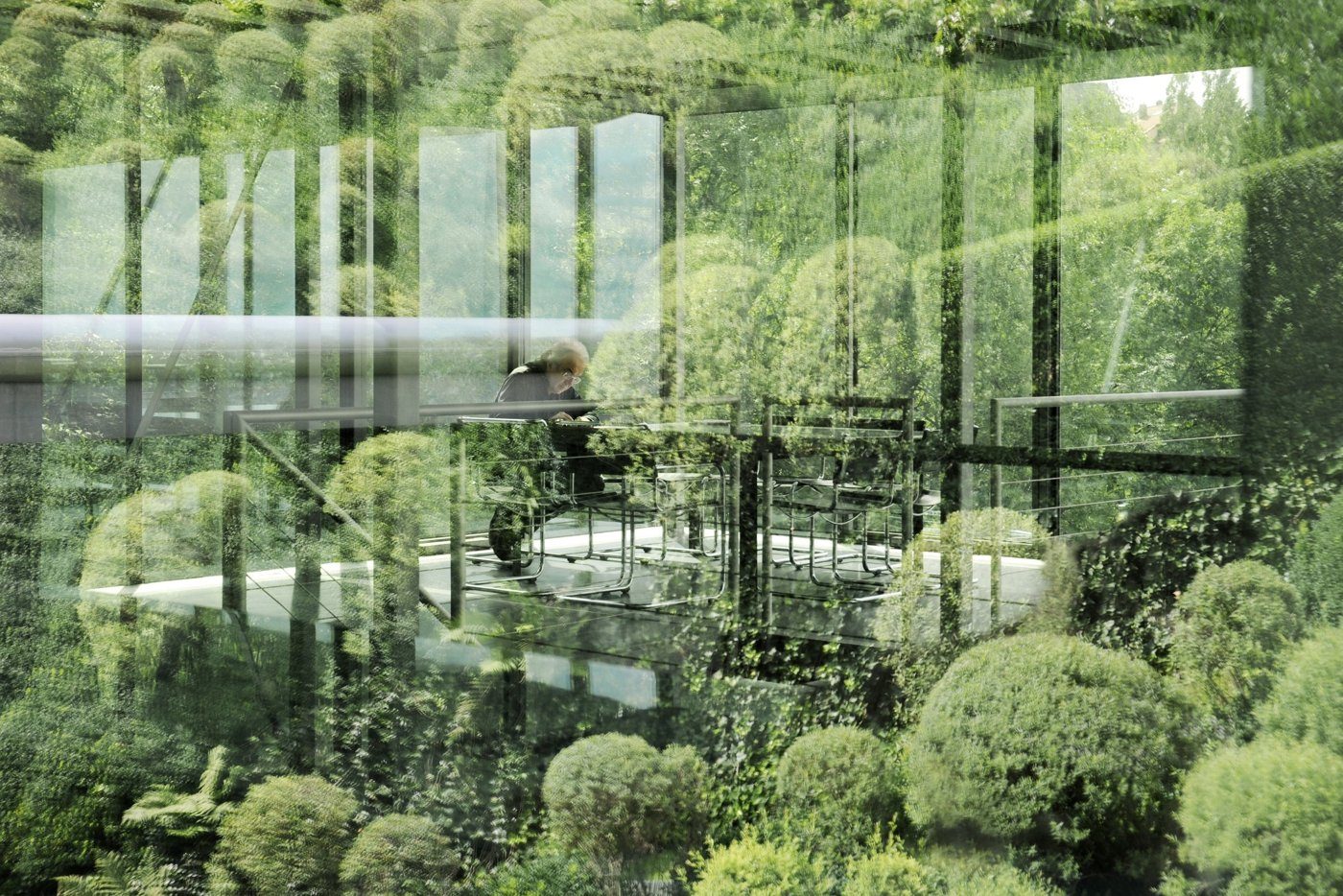
Ultraviolet goes first. Laminated safety glass with a PVB interlayer absorbs 99 per cent of it, because UV was understood as the harmful part, causing skin cancer and fading colours. Covid reminded everyone that it also kills bacteria and viruses, which turns a settled decision back into a question.
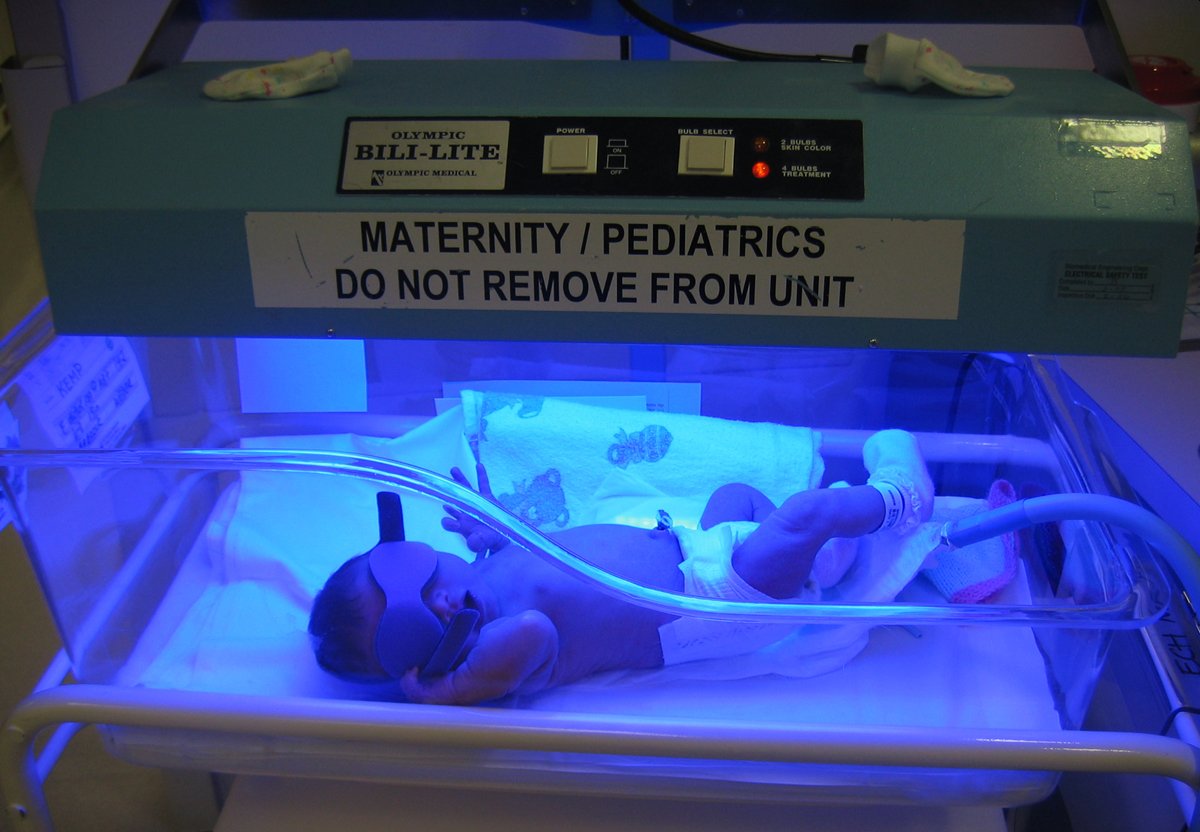
Blue light is the one with a clinical literature. We need it in the morning to wake up and do not want it at night, which is why every phone now has a filter; entering the eye, it drives melatonin suppression and sets the body's clock. It is also a treatment: a newborn whose liver cannot yet clear the blood is put under blue light at 460 nanometres. Which is why research has begun to look past visible light transmittance to melanopic transmittance, the share of that waking blue a glass lets through. Without it, Beer said, you feel tired and sleepy all day.
Infrared is cut out by both the coated glass and the LED, so modern life has almost no exposure to it from either source. A professor at UCL calls this infrared starvation, and the phrase now appears in publications as a crisis, alongside a harder claim: that modern bulbs and modern coated glass might turn out to be the asbestos of the future, with particular generations paying for it. Red light, meanwhile, is beginning to be used to treat Parkinson's.
His summary of how the industry got here was that glazing and light bulbs were optimised for energy efficiency and “we didn’t optimise these for us as human beings”. His comparison landed it. In a vertical farm we know exactly which wavelengths a plant needs. For ourselves, we are only beginning to understand which parts of the spectrum we require.
What the panel made of it
Arwa Alzaabi took the question of whether sustainability codes account for people at all, and said there is room for improvement, because the traditional framing covers the environmental and economic impact and treats the social as an afterthought. Her argument for why this is hard was the sharpest thing said all afternoon.
She described two identical rooms at the same brightness and the same visible light, in one of which she feels productive and stable and in the other of which she just wants to leave. We can see that a room is brighter or darker, she pointed out, and we cannot see what is not being measured. Melanopic transmittance is not on the drawing, and the consequence of getting it wrong shows up years later, by which time the person who occupied it is already ill.
Subraya Kalkura answered for the architects, from two and a half decades in the region. Transparency has been the ambition since the early twentieth century, when Mies, Le Corbusier and Kahn used glass to modulate the light inside a building, and some buildings still make a stronger impression purely because of how the daylight is handled. It was never about lux levels.
Human beings, as he put it, are “the species of light”. The difference now, he argued, is that the tools exist to control the quality of the light coming in, where an earlier generation could only decide how much of it to admit.
Renato Cilento gave the commercial reality. Clients rely on their consultants, cost is a real parameter, and there is a genuine belief that view and daylight are good for well-being, all while the UV is blocked as a matter of course. Changing that means regulation, awareness and showing the benefit.
His ask was procedural: that this “should start seeing this addressed on façade reports”, and from there into a specification document. Jasmin Hodzic answered as the supplier, and began by refusing a single answer: climates, seasons and buildings differ, so nothing fits all. The progress is real, though. On the Burj Al Arab in 1997, a solar heat gain coefficient of around 20 per cent meant glass with less than 10 per cent light transmittance. The same protection today comes with 40 to 45.
The industry went to triple silver coatings, he said, and the question now is what comes next, which is where getting the blue light through begins. Their testing shows most of their products do pass that blue spectral light, and the trade-off is colour rendering, which drops to around 85 to 90 per cent and pushes transmitted colour slightly blue. Beer had a story about why that matters: on one project the architects wanted a body-tinted blue outer pane, and a fashion company took a lease, found that white no longer looked white, and moved out.
Which left his closing question. Does the change start with the consultants and architects, or with legislation, something like the Dubai Green Building Code eventually requiring coatings to transmit more in the infrared and the ultraviolet? And is the research strong enough yet to justify it, when every step that way pushes back against the energy performance the same codes demand?