


Michalis Vrachimis introduced glass reinforced concrete as a design enabler rather than a cladding material: a glass-fibre composite that needs no heavy steel reinforcement, so panels can be thin, light and shaped into geometry conventional concrete cannot reach. And it is now made in Cyprus, at a factory opened in 2024, which is how Tower 66 in Limassol got a Pininfarina concept built locally.
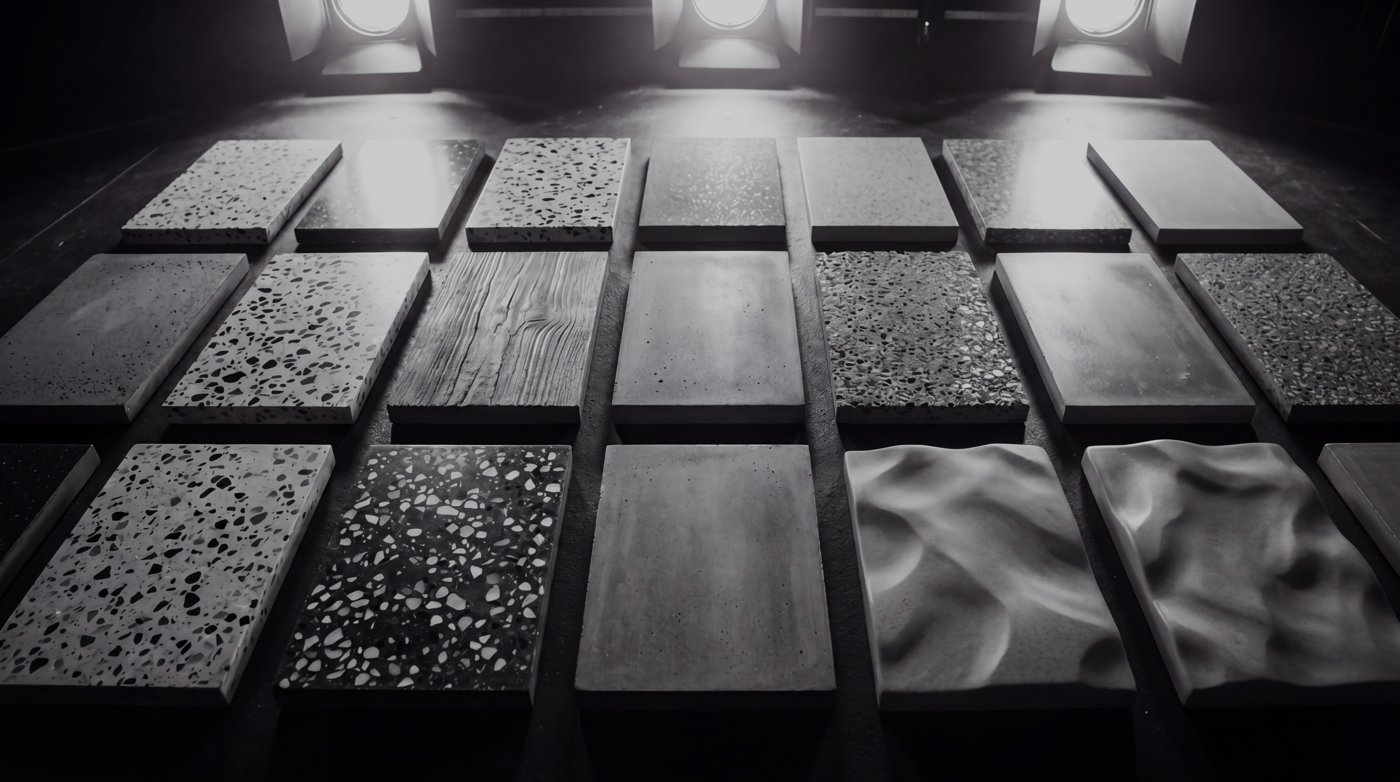
Vrachimis came to introduce a material he described as quietly transforming modern architecture, and began with the basics. GRC is a cement-based composite reinforced with glass fibres: cement, sand, alkali-resistant glass fibres, aggregates, water and admixtures. The combination is the point. The concrete matrix gives strength and rigidity, the glass fibre gives flexibility and crack resistance, and because it does not depend on heavy steel reinforcement, elements can be made thin, light and geometrically complex. In his phrase, it offers the strength of concrete without its limitations.
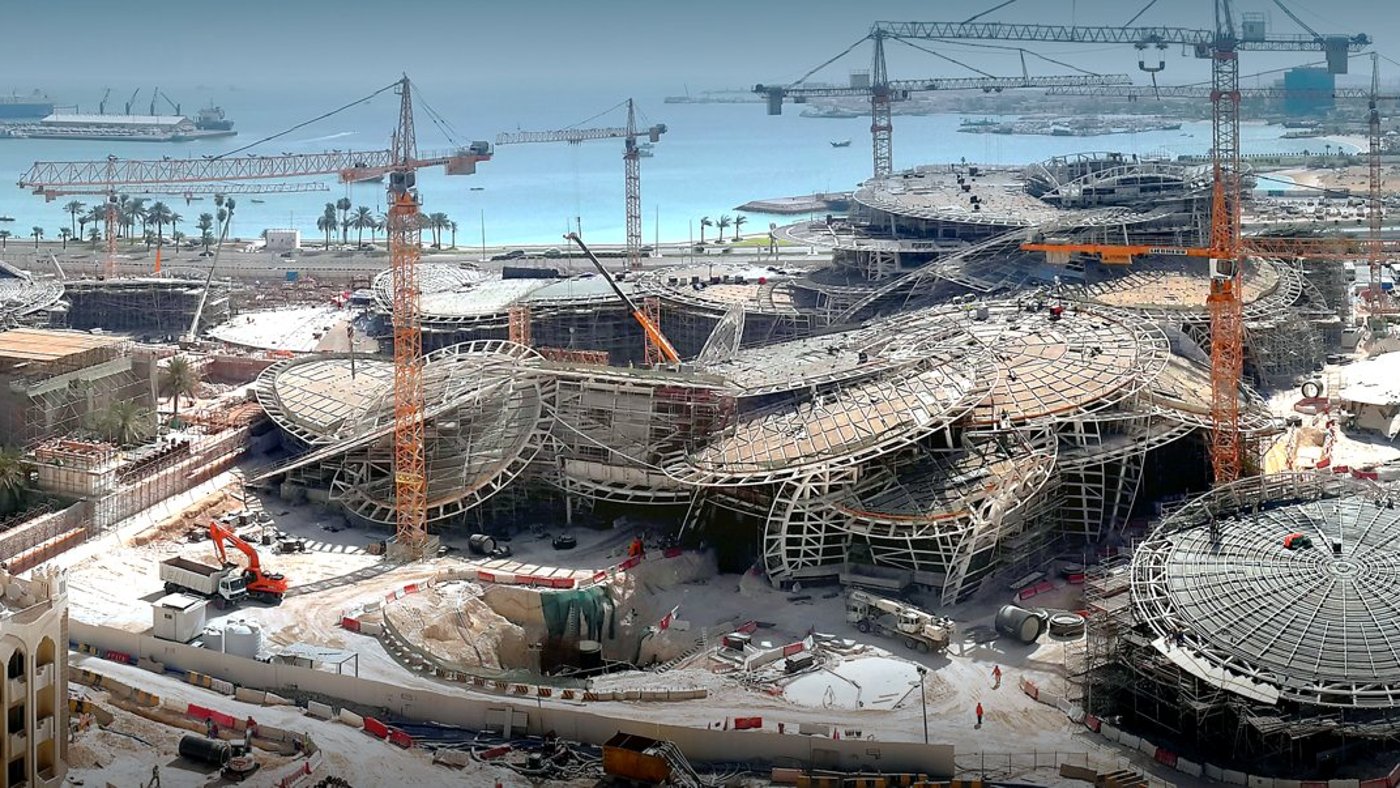
Which is why it turns up as cladding panels, decorative elements, curved surfaces, cornices and screens. The argument he made for it was aesthetic freedom: designers are no longer satisfied with flat, repetitive façades, and want curves, texture, depth and identity. His example was the National Museum of Qatar, whose intersecting discs would be almost impossible in a traditional material, or ruinously expensive. On that reading GRC is not a construction material but a design enabler.
Performance came next, and it follows from the same absence. Without steel reinforcement in the conventional sense, the corrosion and cracking that age reinforced concrete largely do not arise, which leaves high durability, resistance to weather and a long life with little maintenance. He pointed to the Changsha International Culture and Art Centre by Zaha Hadid Architects as extreme geometry that also has to last.
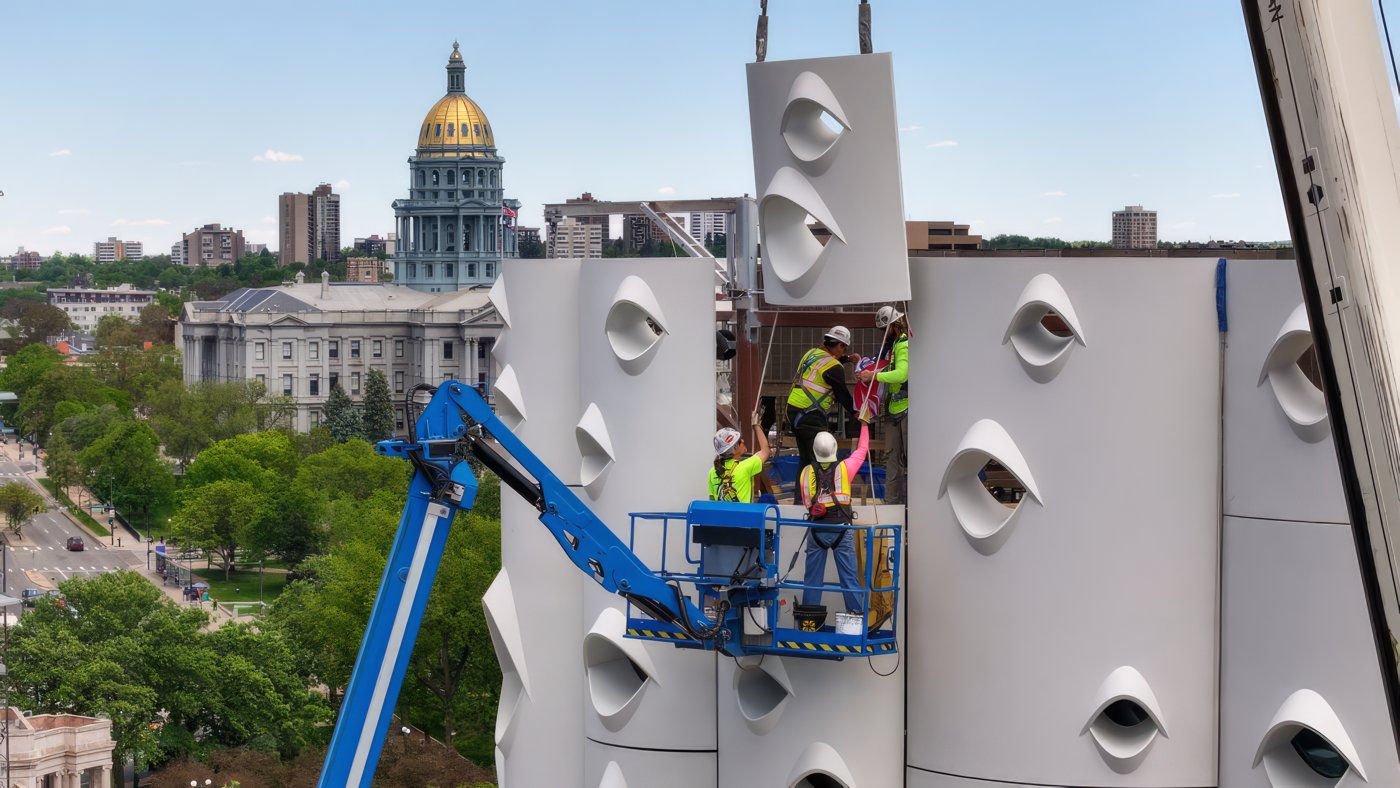
Then the practical case. GRC is non-combustible, which matters under current fire regulation; it is compatible with modern façade systems and made by controlled, repeatable processes. It uses less raw material than traditional concrete and reduces structural load, which lowers the building’s impact, and it prefabricates efficiently with less waste. Panels are light and easy to install, so programmes shorten, structural requirements ease and installation costs fall, and maintenance stays low across the life of the façade. Studio Gang’s Populus hotel in Denver was his example of design and responsible construction arriving together, and a green corner office building his example of precision manufacturing and efficient installation delivering quality and speed at once.
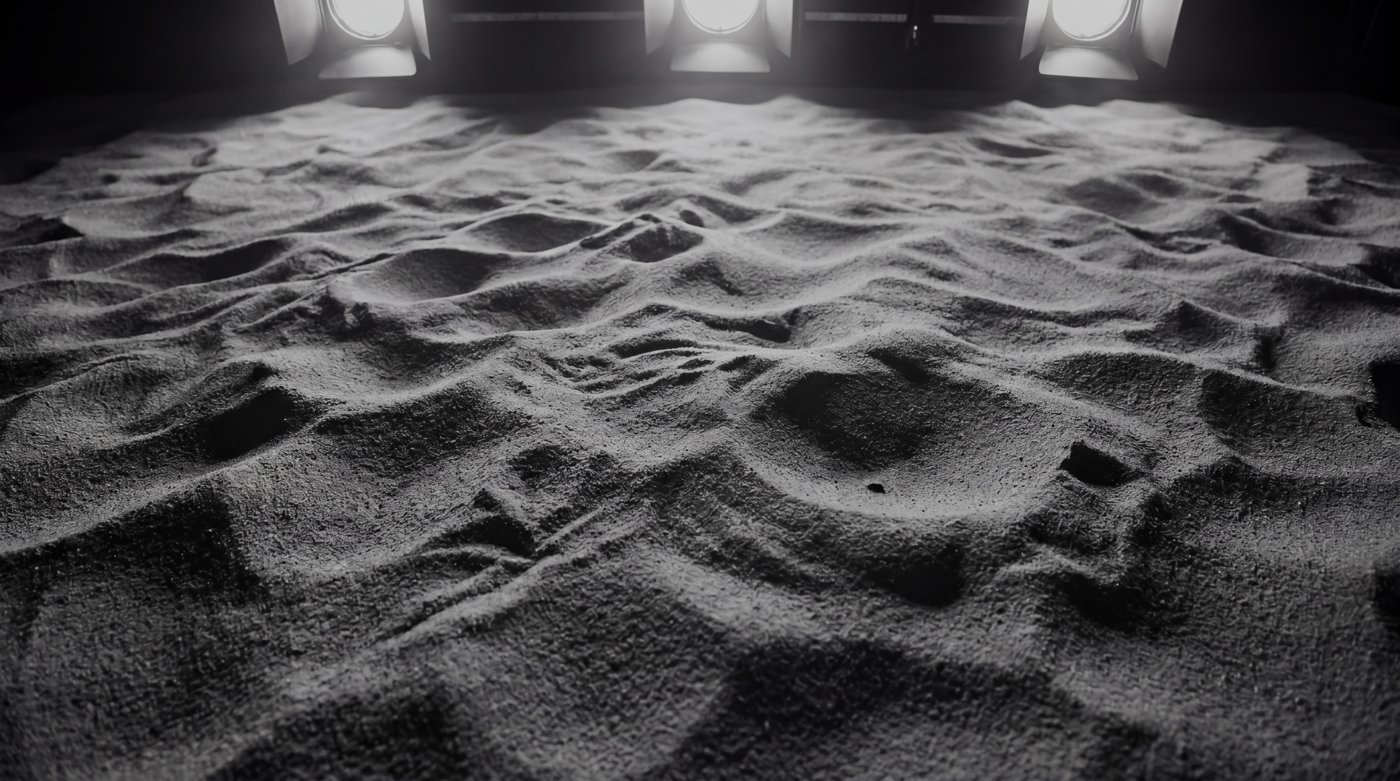
Step back, and his claim is that GRC is a bridge between design and construction: it lets an architect hold the original vision instead of simplifying it for technical reasons, delivering curved surfaces, relief and depth, large decorative elements and high-precision repetition. It turns architecture, he suggested, into something closer to sculpture.
The last part brought it home. GRC is no longer only an international trend, because it is now produced in Cyprus, by GRCY, a company founded in 2024 operating a new factory at Tseri in Nicosia. That means local expertise, faster delivery, closer collaboration with the architects and engineers who specify it, and work that stays inside the local construction industry rather than leaving it. His example was Tower 66 in Limassol, where the design concept is Pininfarina’s, the façade engineering is by the local firms Seamlexity and Glass Façades, and the production is GRCY’s: international design and local capability on the same job. The point he wanted to leave was that the island is not importing a solution but building the capability, and that the question is no longer why GRC but how far it can be taken.