


Prathush Sreedharan explained why, rather than launch an existing product, the company built a new architectural powder coating, Alesta HD, designed to exceed the current class-3 benchmark and answer what landmark projects actually demand.
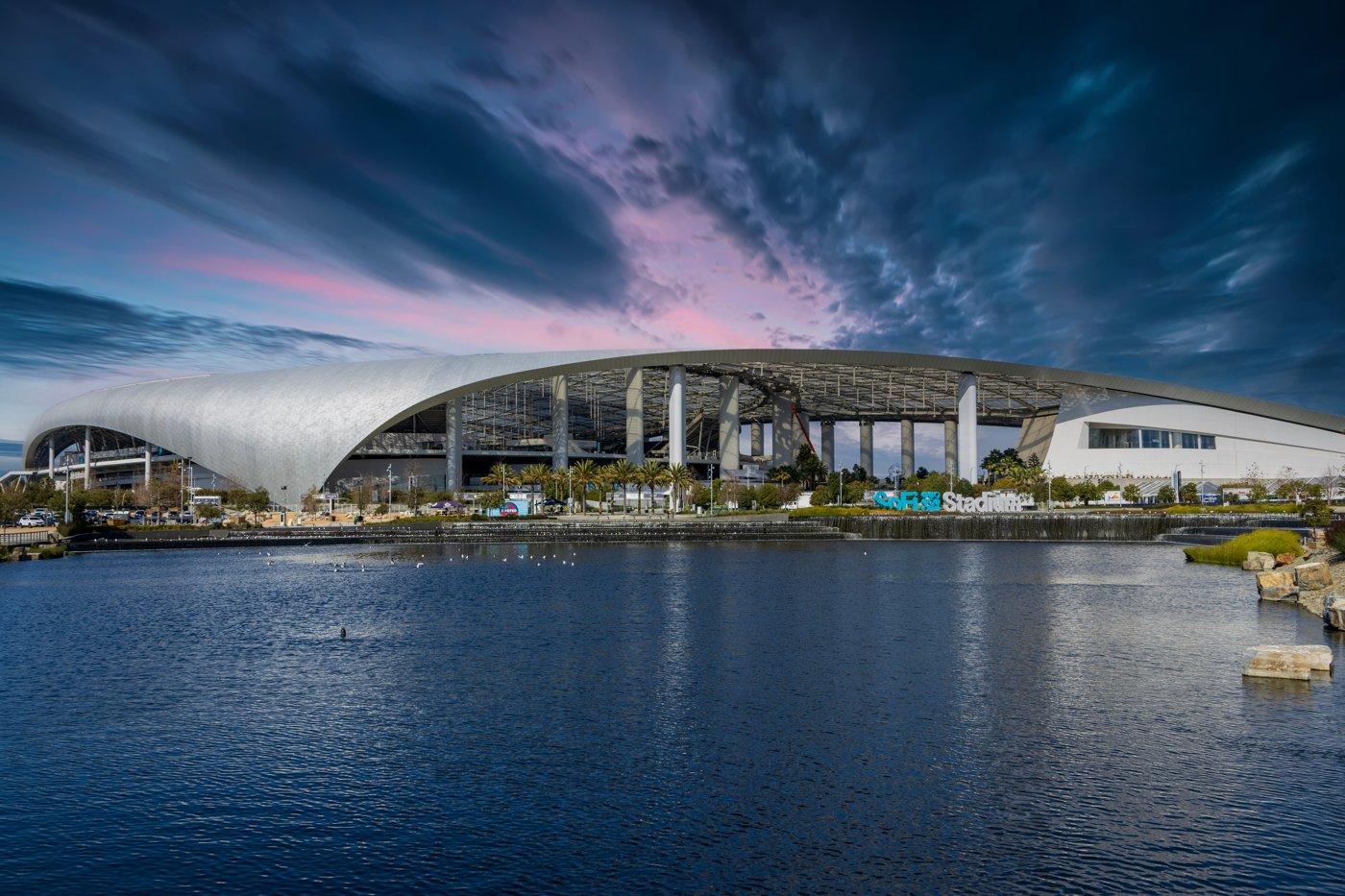
Prathush Sreedharan described a decision before he described a product. Entering the class 3 coating segment, Axalta could have launched what it already sells in other countries, or it could find the gap in the market and build something that exceeds the current class 3 benchmark. It took the second route, and Alesta HD is the result, launched that day. The company brings 150 years in coatings, more than forty in fluoropolymer chemistry and over six hundred patents to the attempt.
Four things a landmark asks for
A survey of what landmark and high-rise projects actually need produced four, and the product was built against each. Colour and finish first, and rather than a fixed portfolio the decision was an expansive open range: name it and they make it, across colours, finishes and effects. Then durability and warranty, tested, he said, to the limits of the material, and offered at up to 30 years of warranty and 50 years of service life, which he claims is the most any coating manufacturer offers today.
Third, compatibility, which is where a coating usually starts constraining a design. It has been tested with different sealants and with primers for different substrates, steel and aluminium among them, so a specifier is not choosing between the finish and the build-up. Fourth, what he called added value and synergy: fire performance tested to EN 13501, achieving an A1 or A2 classification depending on the thickness used, and a contribution to the envelope's U-value, with solar reflectance values, an environmental product declaration and a life-cycle assessment behind it.
The dirt problem, explained properly
Conventional fluoropolymer chemistry gives you a liquid or a powder. The claim for this one is the right blend of both in a single product: a liquid-like finish with soft reflections that holds its original colour and gloss longer than the conventional alternatives, with UV resistance that matters more here than almost anywhere, impact strength, abrasion resistance, and corrosion resistance that exceeds the 4,000-hour limit the standard tests to.
The part worth carrying away is the explanation of low dirt pickup, because it is a temperature argument rather than a chemical one. At an ambient 45 degrees a façade surface runs considerably hotter than the air. Once that surface temperature passes the coating's glass transition temperature, the molecular structure changes and the surface softens; a softened surface abrades, and the friction is what lets dirt hold on. Their answer was to engineer a much higher glass transition temperature, so the surface stays hard when the wall is hot. What that buys is not an abstraction: where a conventional coating wants cleaning every year, the interval can be extended, and the regime is set out in the cleaning manual.
The rest of the system
The most useful slide came from a consultant's objection. Told about the launch, he had asked what good the right product is without the rest of the system, so Axalta now presents a package for a whole project: internal and external applications, and solutions for steel, galvanised steel and mild steel substrates.
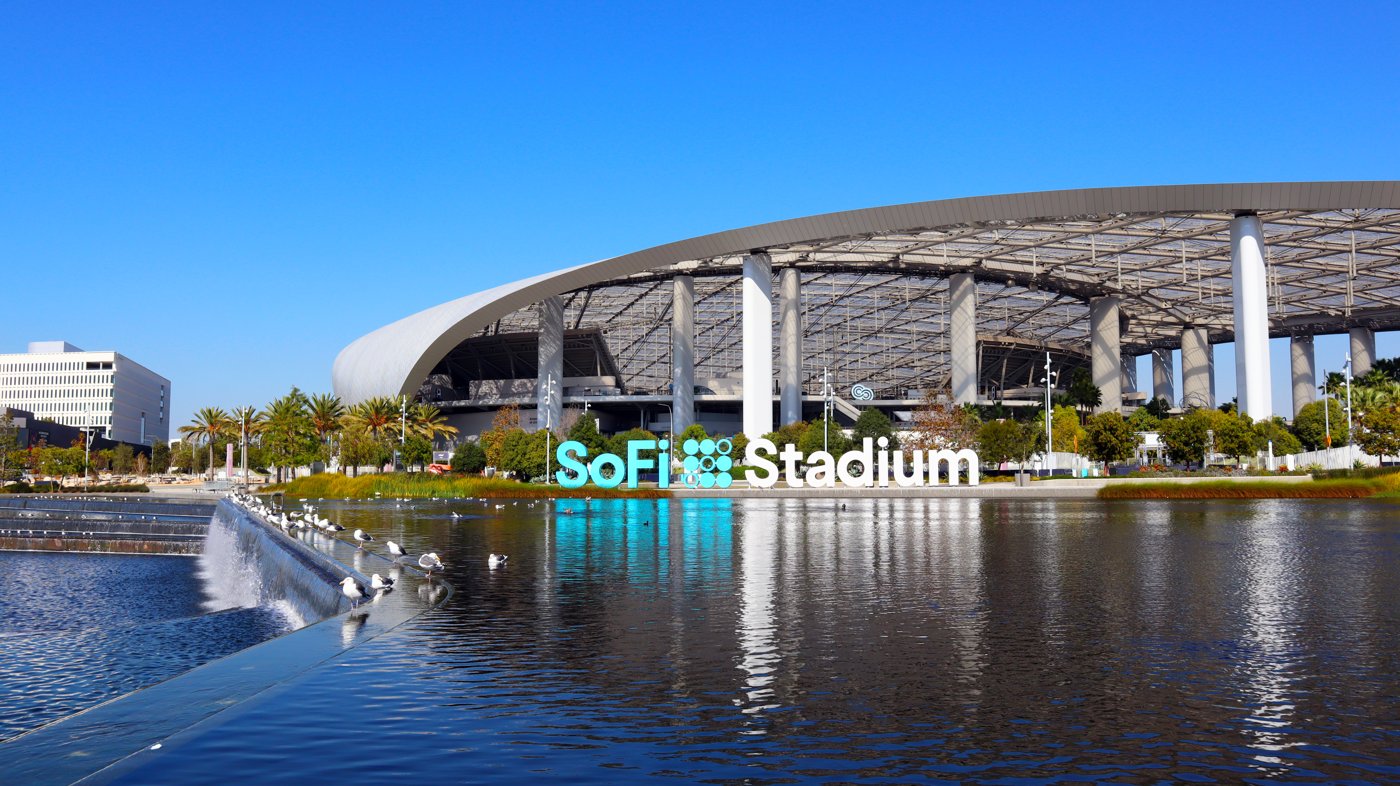
It is also made here. The company manufactures in Ras Al Khaimah in support of the Make it in the Emirates initiative, and Alesta HD is produced in the UAE. The reference Sreedharan led with is SoFi Stadium, where Axalta protected the metal elements: more than five billion dollars of stadium, hosting more than eight matches of the 2026 World Cup and designed for the 2028 Olympics. Behind all of it sit the corporate pledges, on greenhouse gas reduction and on operational carbon neutrality by 2050.
He closed with a caveat worth repeating, that this had been a descriptive presentation rather than a technical one, and that the technical version exists for anyone who wants to interrogate the numbers.